What Are Peptide Analysis Services?
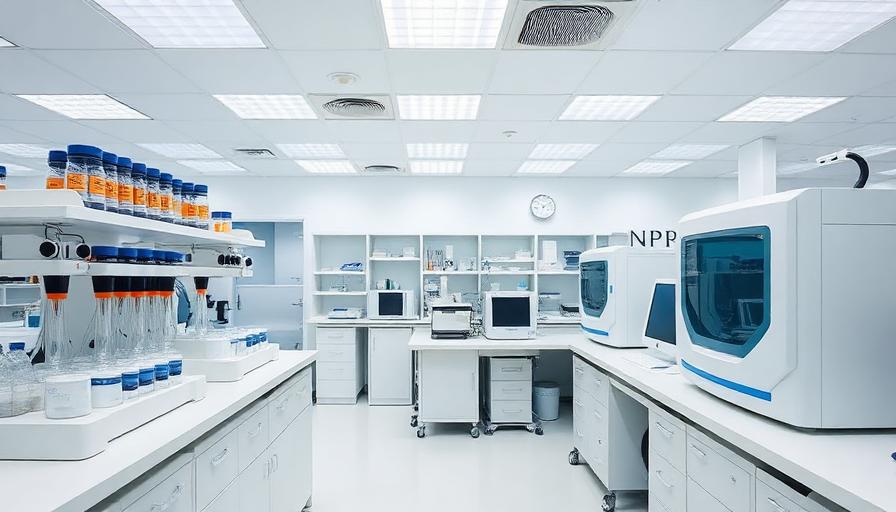
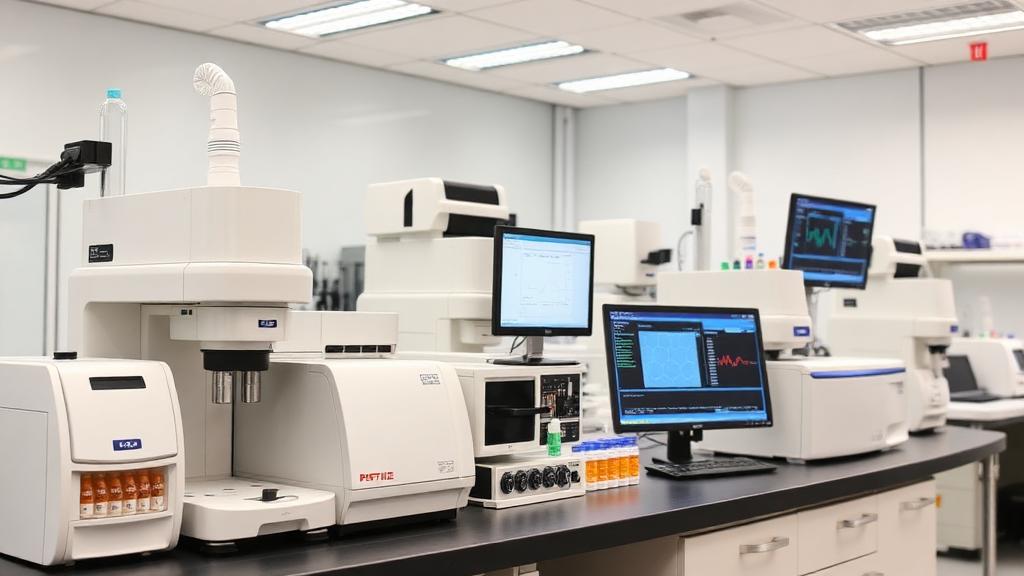
Peptide analysis services encompass the full range of analytical testing performed by a peptide analysis laboratory to characterize the quality, purity, identity, and safety of peptide products. Whether you're a researcher, pharmaceutical company, or peptide supplier, understanding what a peptide and protein analysis lab can do helps you select the right tests for your needs.
Core Peptide Analysis Services
HPLC Purity Analysis
High-Performance Liquid Chromatography (HPLC) is the cornerstone of peptide analysis services. This technique separates your peptide from its impurities to give a precise purity measurement.
How it works:
- Your peptide sample is dissolved and injected into the HPLC system
- A high-pressure pump pushes the sample through a chromatographic column
- Different compounds separate based on their chemical properties
- A UV detector measures the amount of each component
- The main peptide peak is compared to all detected peaks to calculate purity percentage
What you learn:
- Overall purity percentage (e.g., 95.3%)
- Number and relative abundance of impurities
- Chromatographic profile for batch-to-batch comparison
- Whether the peptide meets your purity specifications
Mass Spectrometry Identity Testing
Mass spectrometry (MS) confirms that your peptide is the correct molecule by measuring its exact molecular weight.
Common techniques in a peptide analysis laboratory:
- ESI-MS (Electrospray Ionization): Gentle ionization that preserves the intact peptide for molecular weight determination
- LC-MS (Liquid Chromatography-Mass Spectrometry): Combines HPLC separation with MS detection for simultaneous purity and identity data
- LC-MS/MS (Tandem MS): Fragments the peptide to confirm the amino acid sequence
What you learn:
- Exact molecular weight (confirms identity)
- Sequence verification (confirms correct amino acid order)
- Detection of modifications, adducts, or degradation products
- Identification of unknown impurities
Contaminant Screening
A thorough peptide analysis laboratory screens for potentially harmful contaminants that can compromise both research results and safety.
Heavy Metals (ICP-MS):
- Lead, mercury, arsenic, cadmium
- Originate from catalysts, raw materials, or equipment
- Critical for in vivo applications
Residual Solvents (GC-MS):
- TFA, DMF, DCM, acetonitrile, DMSO
- Remnants from synthesis and purification
- ICH Q3C guidelines define acceptable limits
Microbial Testing:
- Bioburden assessment
- Sterility testing for injectable formulations
- Important for cell culture and animal studies
Specialized Peptide Analysis Services
Stability Testing
Understanding how your peptide degrades over time is critical for proper storage and formulation.
Accelerated stability studies:
- Expose peptide to elevated temperature and humidity
- Monitor purity, identity, and appearance at time points
- Predict shelf life in weeks instead of months
Real-time stability:
- Monitor peptide quality under normal storage conditions
- Provide definitive shelf-life data
- Required for regulatory submissions
Net Peptide Content
The actual amount of active peptide in your vial may differ from the labeled weight due to:
- Moisture content
- Counter-ions (TFA, acetate salts)
- Residual solvents
Net peptide content analysis corrects for these factors to tell you exactly how much active peptide you have.
Custom Method Development
When standard methods don't work for your specific peptide, a peptide analysis laboratory can develop custom analytical methods:
- Novel or heavily modified peptides
- Complex formulations
- Unusual amino acids or modifications
- Application-specific requirements