Why Contaminant Testing Is the Missing Piece in Peptide Quality Assurance
Most researchers ordering peptide testing focus on two things: purity (HPLC) and identity (mass spectrometry). These are critical, but they don't tell you whether your peptide contains toxic heavy metals or harmful residual solvents from the manufacturing process.
Contaminant screening answers a fundamentally different question: Is this peptide safe to use?
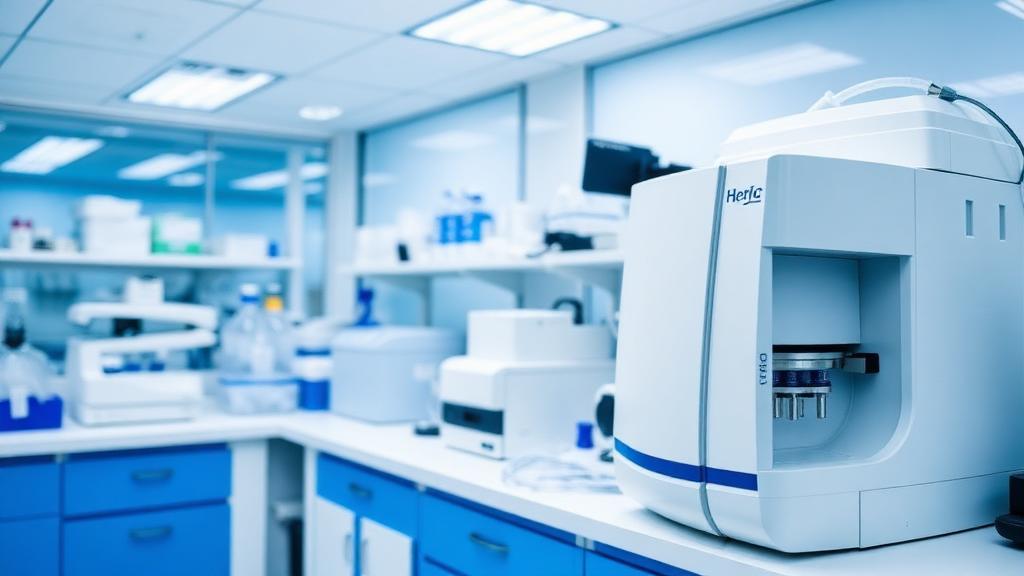
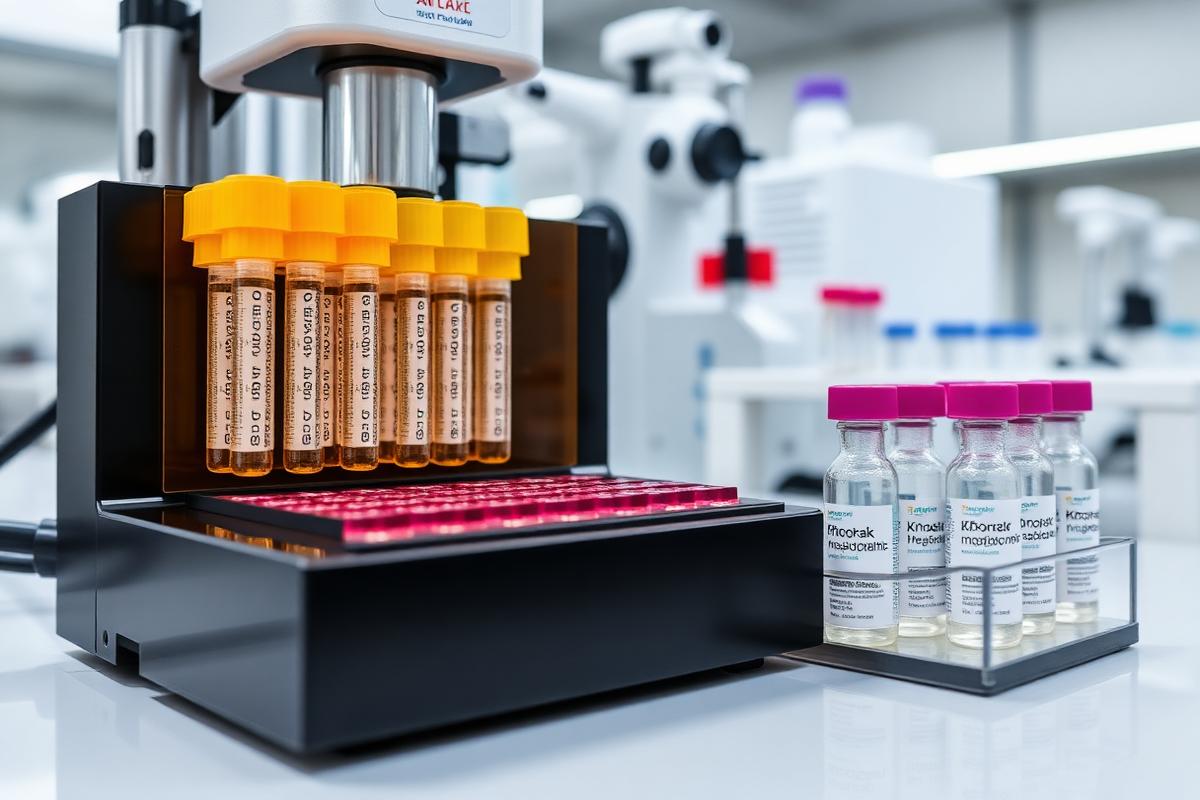
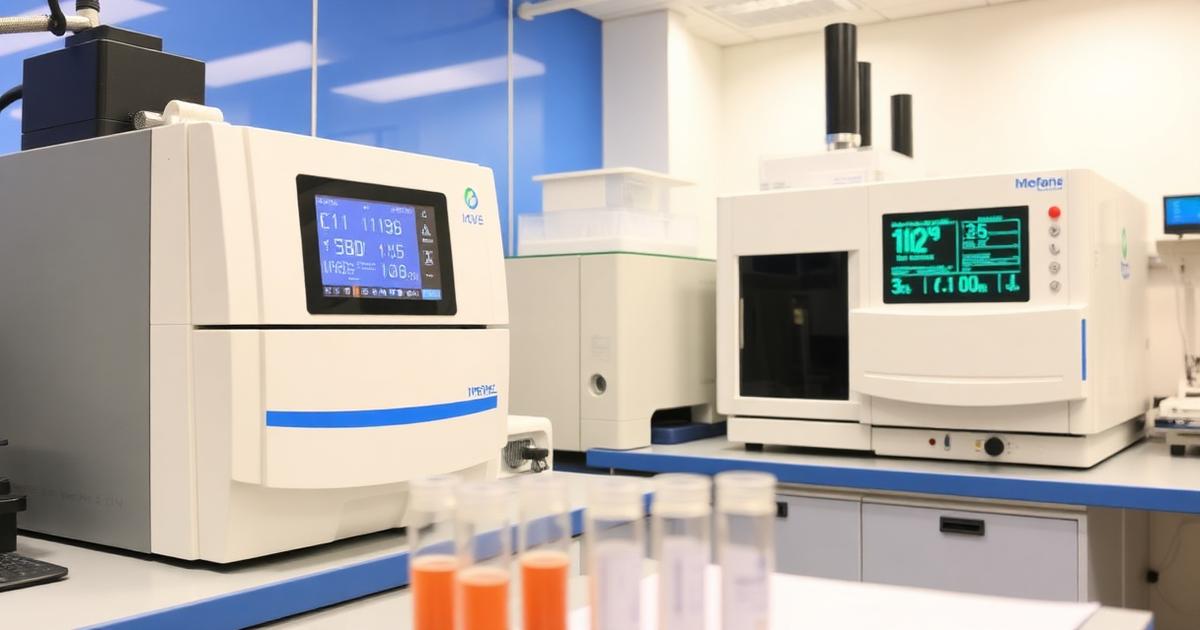
At ACS Peptide Testing Labs, we now offer full contaminant testing services including ICP-MS heavy metal screening and GC-MS residual solvent analysis. Here's why every researcher, compounding pharmacy, and peptide supplier should add contaminant screening to their analytical toolkit.
What Are Peptide Contaminants?
Contaminants in synthetic peptides fall into two primary categories: elemental impurities (heavy metals) and residual solvents. Both originate from the solid-phase peptide synthesis (SPPS) process and subsequent purification steps.
Heavy Metals in Peptides
Heavy metals enter peptide products through multiple pathways during synthesis:
- Catalysts. Palladium, copper, and zinc used in coupling reactions and side-chain deprotection
- Reagents. Contaminated amino acid building blocks and activating agents
- Equipment. Metal contact surfaces in reactors, columns, and lyophilizers
- Water. Trace metals in purification water or buffer systems
The four metals of greatest concern are:
| Metal | Symbol | Primary Source | ICH Q3D Oral Limit (µg/day) |
|---|---|---|---|
| Lead | Pb | Equipment, reagents | 5 |
| Mercury | Hg | Raw materials | 3 |
| Arsenic | As | Water, reagents | 15 |
| Cadmium | Cd | Raw materials | 5 |
Residual Solvents in Peptides
Peptide synthesis and HPLC purification require large volumes of organic solvents. Despite lyophilization, residual amounts can remain trapped in the peptide matrix:
- TFA (trifluoroacetic acid). Used as a cleavage reagent and HPLC ion-pairing agent; the most common residual in synthetic peptides
- DMF (dimethylformamide). ICH Class 2 solvent used extensively in SPPS coupling steps
- DCM (dichloromethane). ICH Class 2 solvent used in resin washing and cleavage
- Acetonitrile. ICH Class 2 solvent used in HPLC purification
- Diethyl ether. Used in peptide precipitation after cleavage
- DMSO. Sometimes used as a co-solvent for difficult sequences
The International Council for Harmonisation (ICH) Q3C guidelines classify solvents into three classes:
- Class 1. Known carcinogens, to be avoided (benzene, carbon tetrachloride)
- Class 2. Limited daily exposure recommended (DMF ≤880 ppm, DCM ≤600 ppm, acetonitrile ≤410 ppm)
- Class 3. Low toxicity, higher limits (ethanol ≤5,000 ppm, acetone ≤5,000 ppm)
How We Test: ICP-MS for Heavy Metals
Inductively Coupled Plasma Mass Spectrometry (ICP-MS) is the gold standard for elemental impurity analysis. Here's how it works:
The ICP-MS Process
- Sample Digestion. The peptide sample is dissolved in high-purity nitric acid using microwave-assisted digestion, converting all metals to ionic form
- Nebulization. The digested solution is converted to a fine aerosol
- Plasma Ionization. The aerosol passes through an argon plasma at ~6,000–10,000 K, ionizing all elements
- Mass Separation. Ions are separated by mass-to-charge ratio in a quadrupole mass analyzer
- Detection. Individual elements are quantified against certified reference standards
Why ICP-MS?
- Sensitivity. Detection limits in the parts-per-trillion (ppt) range
- Multi-element. Screens 20+ elements simultaneously in a single run
- Speed. Results in minutes per sample once prepared
- Regulatory acceptance. Recognized by FDA, USP, and ICH Q3D as the preferred method
Our ICP-MS screening covers the "big four" (Pb, Hg, As, Cd) plus additional elements when requested, including palladium, copper, zinc, nickel, and chromium.
How We Test: GC-MS for Residual Solvents
Gas Chromatography–Mass Spectrometry (GC-MS) with headspace sampling is the standard method for residual solvent analysis in pharmaceuticals and peptides.
The GC-MS Headspace Process
- Headspace Equilibration. The peptide sample is sealed in a vial and heated, volatilizing trapped solvents into the headspace above the sample
- Injection. Headspace gas is automatically injected onto the GC column
- Chromatographic Separation. Solvents are separated based on boiling point and polarity as they pass through the column
- Mass Spectrometric Detection. Each separated compound is identified by its unique mass fragmentation pattern and quantified against calibration standards
Advantages of Headspace GC-MS
- No matrix interference. Only volatile compounds enter the column; the peptide stays behind
- High sensitivity. Detection limits well below ICH Q3C limits
- Definitive identification. MS fragmentation patterns distinguish structurally similar solvents
- Comprehensive. A single run screens for 30+ common solvents
Who Needs Contaminant Testing?
Compounding Pharmacies
Compounding pharmacies formulating peptide preparations for patient use must verify that raw peptide ingredients meet USP and state pharmacy board requirements. Heavy metal and solvent screening is increasingly required by state regulations and accreditation bodies.
Research Institutions
If your experiments involve cell culture, animal models, or any biological system, contaminants can introduce confounding variables. A peptide might be 98% pure by HPLC, yet contain DMF levels that cause cytotoxicity at working concentrations.
Peptide Suppliers
Suppliers seeking to differentiate on quality now include contaminant data on their Certificates of Analysis. Third-party contaminant testing from an independent lab adds credibility that supplier self-testing cannot match.
Regulatory Submissions
Any peptide headed for IND filing or GMP manufacturing must have documented elemental impurity and residual solvent data per ICH Q3C and Q3D. Starting contaminant testing early saves costly reformulation later.