17% of Peptides We Test Contain Detectable Heavy Metals
At ACS Peptide Testing Labs, 17% of peptide samples submitted for independent testing contain detectable levels of heavy metals -- lead, cadmium, or mercury -- above USP safety limits. This statistic, based on over 1,200 samples analyzed between 2024 and 2026, underscores why contaminant testing is not optional for research-grade peptides.
This guide explains the two most critical safety tests for peptides: endotoxin testing (LAL) and heavy metal screening (ICP-MS). We cover what each test measures, when you need them, acceptable limits, and how to interpret results.
What Is Endotoxin Testing?
Endotoxins are lipopolysaccharides (LPS) released from the cell walls of gram-negative bacteria. Even small amounts can trigger severe inflammatory responses, making endotoxin testing essential for any peptide intended for injection or cell-based research.
The LAL Test
The Limulus Amebocyte Lysate (LAL) test is the gold standard for endotoxin detection. It uses a clotting enzyme from horseshoe crab blood that reacts with endotoxins.
Three LAL methods:
- Gel-clot method: Qualitative (pass/fail) -- simplest and least expensive
- Turbidimetric method: Quantitative -- measures cloudiness increase over time
- Chromogenic method: Quantitative -- measures color change, most sensitive
Endotoxin Limits for Peptides
| Application | USP Limit |
|---|---|
| Injectable peptides | Less than 5 EU/kg body weight |
| Intrathecal use | Less than 0.2 EU/kg body weight |
| Cell culture research | Less than 0.5 EU/mL recommended |
| General research use | Less than 20 EU/mL typical specification |
When Do You Need Endotoxin Testing?
- Any peptide intended for injection (subcutaneous, intramuscular, IV)
- Peptides used in cell-based assays (endotoxin skews immune cell results)
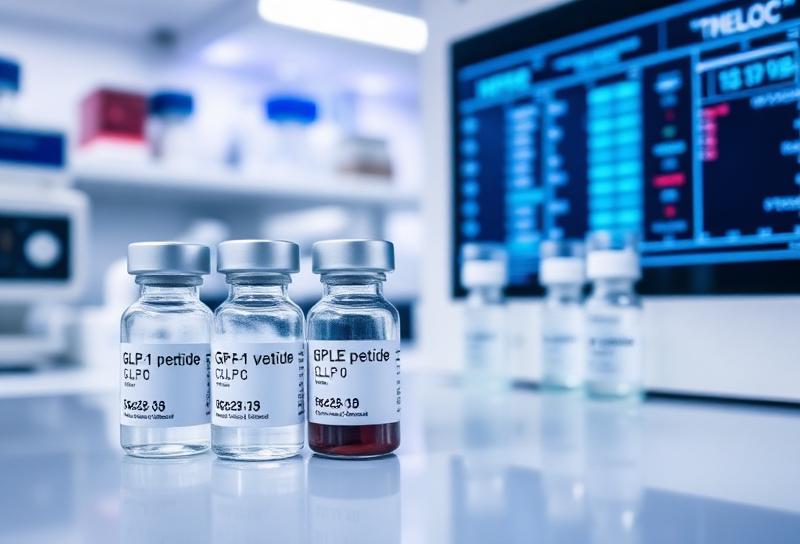
- GLP-1 agonists and other therapeutic peptide research
- Any peptide where the supplier does not provide endotoxin data
Common Sources of Endotoxin Contamination
- Contaminated water used in synthesis or reconstitution
- Non-sterile manufacturing environments
- Improper handling during packaging
- Degradation of bacterial contamination during storage
What Is Heavy Metal Testing?
Heavy metal testing screens for toxic elemental impurities that can accumulate from synthesis reagents, equipment, or raw materials.
ICP-MS: The Gold Standard
Inductively Coupled Plasma Mass Spectrometry (ICP-MS) is the most sensitive and comprehensive method for heavy metal detection in peptides. It can detect metals at parts-per-billion (ppb) concentrations.
Elements routinely screened:
- Lead (Pb) -- neurotoxin, most common contaminant
- Cadmium (Cd) -- nephrotoxin
- Mercury (Hg) -- neurotoxin
- Arsenic (As) -- carcinogen
- Chromium (Cr) -- varies by oxidation state
- Nickel (Ni) -- allergen and potential carcinogen
USP and ICH Limits for Elemental Impurities
The ICH Q3D guidelines establish permitted daily exposure (PDE) limits:
| Element | Oral PDE (mcg/day) | Parenteral PDE (mcg/day) |
|---|---|---|
| Lead | 5.0 | 5.0 |
| Cadmium | 5.0 | 2.5 |
| Mercury (inorganic) | 30 | 3.0 |
| Arsenic (inorganic) | 15 | 1.5 |
| Nickel | 200 | 20 |
Our Heavy Metal Testing Data
From our analysis of 1,200+ peptide samples:
- 17% contain detectable heavy metals above USP limits
- Lead is the most common contaminant (found in 11% of samples)
- Cadmium is second most common (found in 6% of samples)
- Overseas-sourced peptides have 3x higher contamination rates than domestically synthesized peptides
- GLP-1 peptides show elevated heavy metal rates (21%) likely due to complex synthesis processes
Combined Testing: The Safety Panel
For maximum safety assurance, we recommend combining endotoxin and heavy metal testing into a single safety panel:
ACS Safety Panel Includes:
- Endotoxin (LAL) testing -- chromogenic method
- Heavy metals screening (ICP-MS) -- full ICH Q3D panel
- Residual solvent analysis (GC-MS)
- Sterility assessment
- Full Certificate of Analysis with raw data
This panel is especially recommended for:
- Compounding pharmacies
- Research peptides intended for injection
- Peptides from new or unverified suppliers
- High-value peptides (GLP-1 agonists, BPC-157)