Where to Get Peptides Tested
If you have peptides and need them tested for purity, identity, or contaminants, the most important decision you'll make is choosing the right laboratory. Not all labs have the instrumentation or expertise for peptide-specific analysis, and sending samples to the wrong facility can waste time, money, and valuable material.
This guide answers the most common question we hear: "Where can I get my peptides tested?", with actionable steps for researchers, suppliers, compounding pharmacies, and individual consumers.
Who Needs Peptide Testing?
Peptide testing isn't just for pharmaceutical companies. Here's who benefits:
- Researchers validating peptides before experiments — unreliable peptides waste months of work
- Compounding pharmacies verifying raw ingredient purity before formulation
- Supplement companies performing incoming QC on peptide ingredients
- Peptide suppliers and distributors providing independent COA verification to build customer trust
- Consumers who purchased peptides online and want to verify what they received
- Clinics and wellness providers confirming peptide quality for patient safety
What Tests Should You Request?
The right tests depend on your goals. Here's a decision framework:
Purity Testing (Most Common)
Method: HPLC (High-Performance Liquid Chromatography)
What it tells you: The percentage of target peptide vs. impurities, deletion sequences, and degradation products.
When to request: Every time, this is the baseline test for any peptide.
Cost: Typically $150-250 per sample (request a quote)
Identity Confirmation
Method: Mass Spectrometry (LC-MS/ESI-MS)
What it tells you: Whether the peptide's molecular weight matches the expected compound, confirming you actually have the right molecule.
When to request: Always recommended, especially for GLP-1 peptides and high-value compounds.
Cost: Typically $200-350 per sample
Contaminant & Safety Testing
Method: LAL endotoxin testing, ICP-MS heavy metals screening
What it tells you: Whether the peptide contains bacterial endotoxins, heavy metals, or residual solvents.
When to request: Required for injectable peptides and pharmaceutical applications. See our endotoxin and heavy metals guide.
Cost: $150-300 per test
Net Content / Quantity Verification
Method: Gravimetric analysis + HPLC quantitation
What it tells you: Whether the vial contains the labeled amount of active peptide.
When to request: When you suspect under-filling or need to verify net peptide content.
Cost: $100-200 per sample
How to Find a Qualified Peptide Testing Lab
Not every analytical lab can handle peptide analysis. Here's what to look for:
1. Peptide-Specific Instrumentation
The lab must have dedicated HPLC systems with appropriate columns (C18/C8 reversed-phase) and mass spectrometry capabilities. General chemistry labs without these instruments cannot perform peptide-grade analysis.
2. Experience with Your Peptide Type
Ask whether the lab has tested your specific peptide before. Modified peptides (PEGylated, cyclic, stapled) require specialized methods that not every lab offers.
3. Independent, Third-Party Status
The lab should have no financial relationship with the peptide manufacturer. Independent testing eliminates conflicts of interest and ensures unbiased results.
4. Accreditation and Quality Systems
Look for documented method validation or GLP compliance. These standards ensure validated methods, calibrated instruments, and documented procedures. More on choosing a lab.
5. Clear, Detailed Reporting
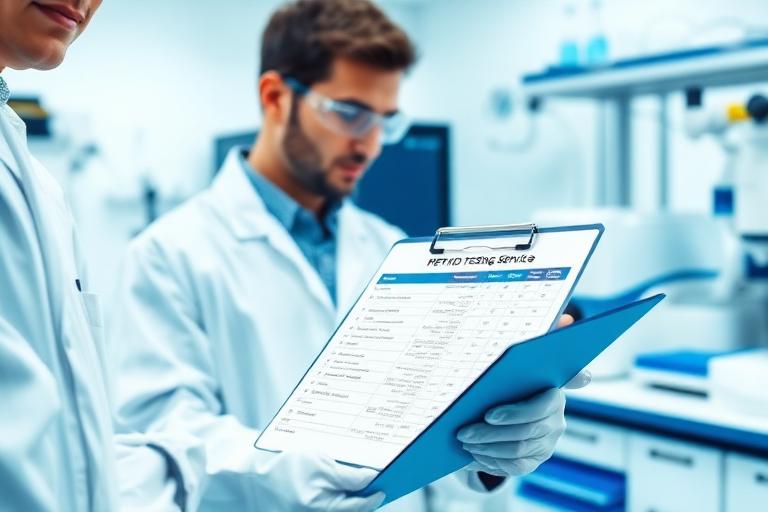
Your Certificate of Analysis should include raw chromatograms, method descriptions, and clear pass/fail criteria, not just a single number. Learn how to read a COA.
How to Ship Peptides for Testing
Proper shipping prevents degradation and ensures accurate results:
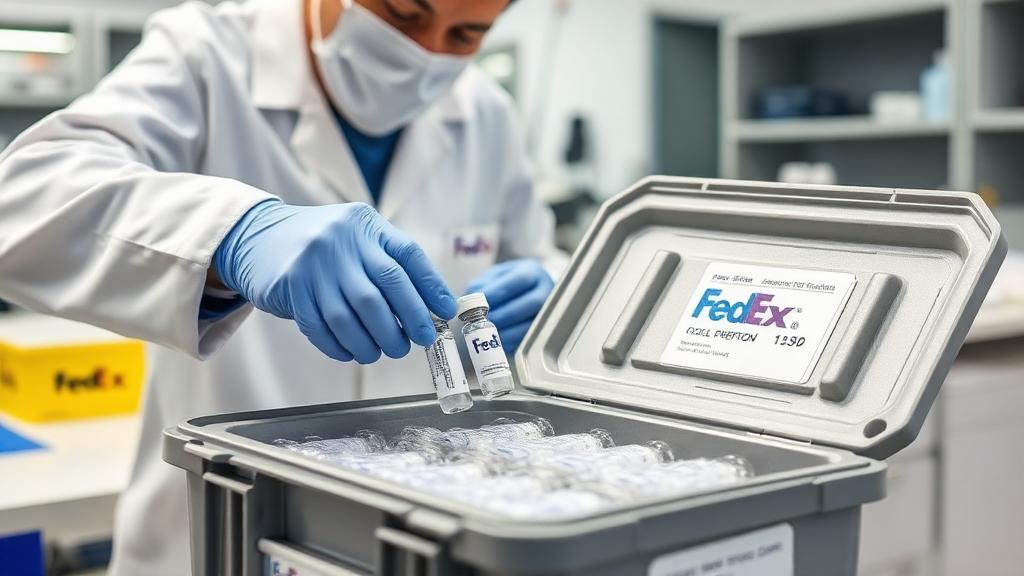
- Keep peptides cold. Use insulated packaging with ice packs or dry ice
- Ship overnight. Minimize transit time, especially in warm months
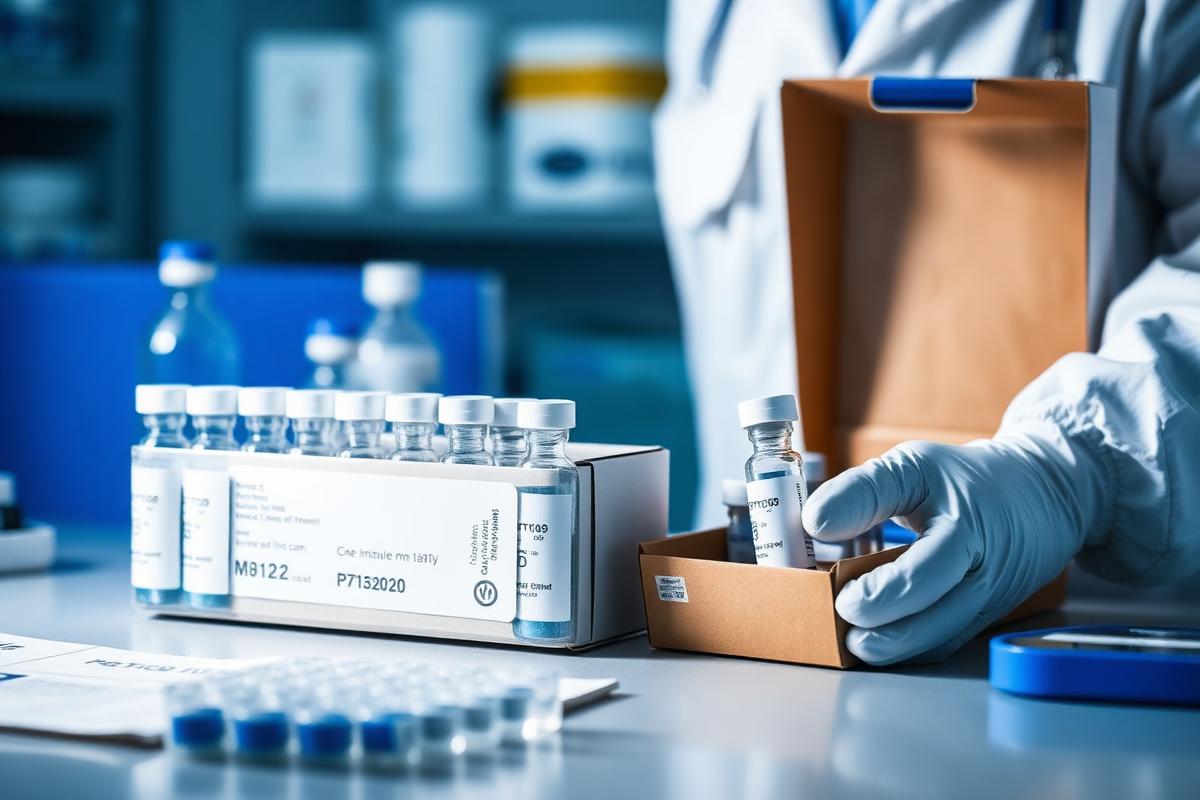
- Label clearly. Include peptide name, expected sequence, lot number, and your contact information
- Ship early in the week. Avoid weekend delays at shipping hubs
- Include handling instructions. Note any special storage requirements
For a complete walkthrough, see our shipping and submission guide.
What Do Peptide Test Results Look Like?
A comprehensive test report includes:
| Component | What You'll See |
|---|---|
| HPLC Purity | Chromatogram showing the main peak and any impurity peaks, with a purity percentage (e.g., 97.3%) |
| Mass Spec Identity | Observed molecular weight vs. theoretical weight, confirming peptide identity |
| Endotoxin Results | EU/mg value with pass/fail against USP limits |
| Heavy Metals | ICP-MS results for lead, mercury, arsenic, cadmium |
| Net Content | Actual mg of peptide per vial vs. labeled amount |