Can You Trust Your Peptide Certificate of Analysis?
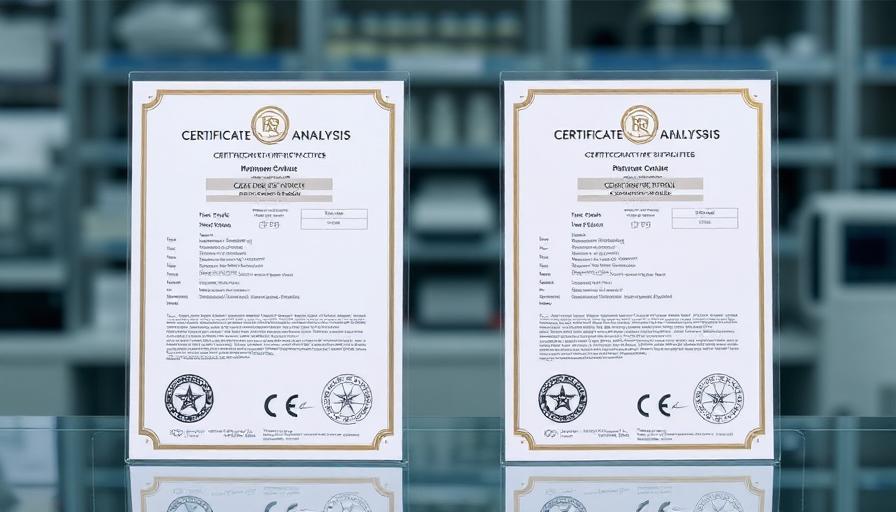
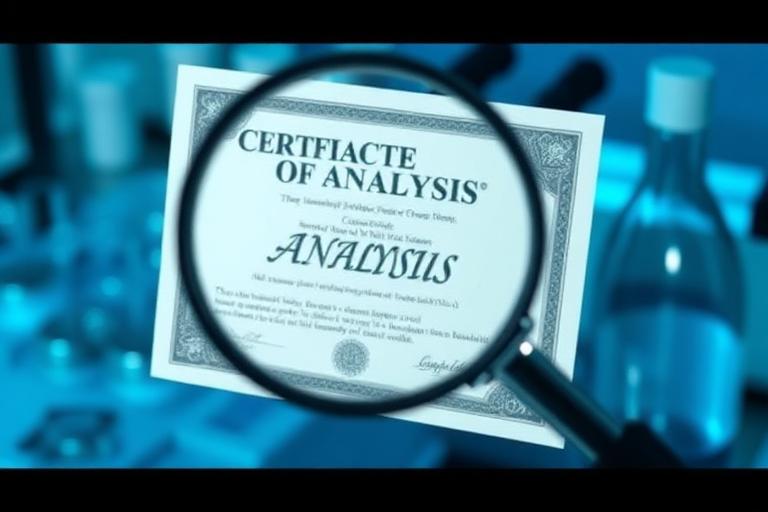
A Certificate of Analysis (COA) is the document that proves your peptide's identity, purity, and quality. But not all COAs are created equal, and relying on an unverified COA can compromise your research, your products, and your reputation.
This guide explains how to read, evaluate, and independently verify a peptide COA so you can be confident in your peptide quality.
What Should a Peptide COA Include?
A legitimate, comprehensive peptide COA should contain:
Identity Confirmation
- Molecular weight (measured via mass spectrometry)
- Peptide sequence or catalog identifier
- Expected vs. observed molecular weight comparison
Purity Data
- HPLC purity percentage (typically ≥95% or ≥98%)
- HPLC chromatogram showing the separation profile
- Method details (column type, mobile phase, gradient)
Additional Quality Data
- Appearance and physical form
- Water/moisture content (Karl Fischer or LOD)
- Net peptide content
- Counterion identification (TFA, acetate, etc.)
- Batch/lot number and date of analysis
Red Flags in a Peptide COA
Watch for these warning signs:
- No chromatogram included, just a purity number with no supporting data
- Round numbers like exactly 99.0%, legitimate analysis rarely produces perfectly round results
- No method details, a credible COA specifies the HPLC column, conditions, and detection method
- Mismatched molecular weights, if the observed mass differs from expected by more than ±1 Da, investigate
- Identical COAs across batches, every batch should have unique analytical data
- No lot number or date, makes the COA untraceable
How to Verify a Peptide COA: Step by Step
Step 1: Check the Basics
Verify that the COA contains all required elements listed above. A missing chromatogram or missing method details is an immediate red flag.
Step 2: Verify the Molecular Weight
Calculate the expected molecular weight from the peptide sequence using a peptide calculator tool. Compare it to the observed mass on the COA. They should match within ±1 Da.
Step 3: Examine the Chromatogram
In the HPLC chromatogram:
- The main peak should be dominant and well-separated
- Impurity peaks should be small relative to the main peak
- The integration (area under peaks) should match the claimed purity
- Baseline noise should be minimal
Step 4: Cross-Reference Batch Numbers
If you've purchased from the same supplier before, compare COAs across batches. Different batches should have different chromatograms, if they look identical, the COA may be fabricated.
Step 5: Request Independent Third-Party Testing
The most definitive way to verify a COA is to send a portion of your peptide to an independent testing lab for blinded analysis.
What third-party COA verification reveals:
- Whether the peptide identity matches (mass spectrometry)
- Whether the purity matches the supplier's claim (HPLC)
- Presence of contaminants not disclosed on the original COA
- Actual vs. claimed peptide content
Why Independent COA Verification Matters
The Data Speaks for Itself
Based on testing data from ACS Peptide Testing Labs:
- 73% of peptides show measurable discrepancies between supplier COA purity and independent test results (see our data)
- 15-20% of COAs show purity discrepancies greater than 5%
- 5-8% of samples have identity mismatches, meaning you may not have the peptide you think you have
Who Should Verify COAs?
- Researchers using peptides in published studies — reproducibility depends on verified quality
- Compounding pharmacies preparing peptide formulations
- Supplement companies sourcing peptide ingredients
- Distributors validating supplier quality before reselling
- Anyone purchasing GLP-1 peptides like Semaglutide, Tirzepatide, or Retatrutide, these high-demand peptides have the highest counterfeit risk